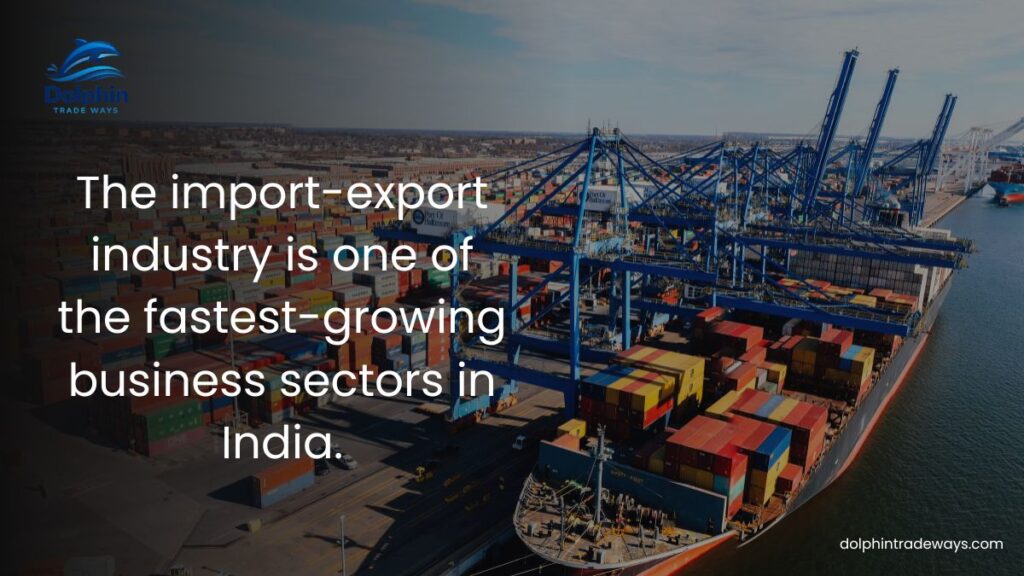
The import-export industry is one of the fastest-growing business sectors in India. With increasing global demand for Indian products and easier access to international markets through digital platforms, starting an import-export business has become more accessible than ever. Whether you are an entrepreneur, manufacturer, trader, or small business owner, understanding the fundamentals of international trade can help you expand your business beyond borders.
In this guide, we will explain everything you need to know about starting an import-export business in India in 2026, including the required registrations, documentation, product selection, shipping methods, and common mistakes to avoid.
Why Start an Import Export Business?
India is one of the world’s leading exporters of products such as textiles, pharmaceuticals, engineering goods, agricultural products, spices, handicrafts, and chemicals. At the same time, businesses import machinery, electronics, raw materials, and specialized products from countries around the globe.
Some of the advantages of starting an import-export business include:
- Access to international markets
- Higher profit potential
- Opportunity to diversify your customer base
- Government initiatives supporting exporters
- Growing demand for Indian-made products worldwide
With proper planning and the right guidance, businesses of all sizes can successfully enter international trade.
Step 1: Choose the Right Products
The first step is selecting products that have strong demand in the international market.
Before deciding, consider:
- Global market demand
- Profit margins
- Shipping costs
- Product regulations
- Competition
- Availability of suppliers
Popular export products from India include:
- Spices
- Rice
- Tea and coffee
- Textile products
- Leather goods
- Engineering products
- Pharmaceuticals
- Chemicals
- Handicrafts
Researching your target market before choosing a product is essential for long-term success.
Step 2: Register Your Business
Operating as a registered business improves credibility and makes international transactions easier.
Common business structures include:
- Sole Proprietorship
- Partnership Firm
- LLP (Limited Liability Partnership)
- Private Limited Company
Choose the structure that best suits your business goals and future expansion plans.
Step 3: Obtain an Import Export Code (IEC)
The Import Export Code (IEC) is one of the most important requirements for businesses involved in international trade.
Issued by the Directorate General of Foreign Trade (DGFT), the IEC is mandatory for importing and exporting goods in India, except in certain exempted categories.
Without an IEC, businesses cannot legally carry out most import or export transactions.
Step 4: Open a Current Bank Account
International business requires a dedicated current account for receiving foreign payments and making overseas transactions.
Ensure your bank supports:
- International wire transfers
- Foreign currency transactions
- Trade finance services
- Export documentation assistance
Choosing a bank experienced in international trade can simplify your operations.
Step 5: Understand Export Documentation
Proper documentation is crucial for smooth customs clearance and timely delivery.
Common documents include:
- Commercial Invoice
- Packing List
- Bill of Lading or Air Waybill
- Shipping Bill
- Certificate of Origin
- Insurance Documents
- Purchase Order
- Letter of Credit (when applicable)
Accurate documentation minimizes delays and avoids unnecessary penalties.
Step 6: Find International Buyers
Finding reliable buyers is one of the biggest challenges for new exporters.
Some effective methods include:
- B2B marketplaces
- Trade fairs and exhibitions
- Export promotion councils
- Business networking events
- LinkedIn outreach
- Company websites
- International distributors
Building trust through professional communication and timely responses significantly improves your chances of securing long-term business relationships.
Step 7: Understand Shipping Methods
Choosing the appropriate shipping method depends on the type of product, delivery timeline, and budget.
Sea Freight
Sea freight is ideal for:
- Large shipments
- Heavy cargo
- Cost-effective transportation
Although transit times are longer, sea freight remains the preferred option for bulk international trade.
Air Freight
Air freight is suitable for:
- Urgent deliveries
- High-value products
- Perishable goods
- Smaller shipments
While faster, air freight generally costs more than sea transportation.
Selecting the right shipping option can directly impact customer satisfaction and overall profitability.
Step 8: Learn International Payment Methods
International payments involve different levels of security for buyers and sellers.
Common payment methods include:
- Advance Payment
- Letter of Credit (LC)
- Documentary Collection
- Open Account
- Bank Transfer
New exporters often prefer secure payment methods until they establish long-term trust with overseas buyers.
Step 9: Understand Customs Regulations
Every country has specific customs regulations that importers and exporters must follow.
Important areas include:
- Product classification
- HS Codes
- Import duties
- Export restrictions
- Product certifications
- Labeling requirements
Keeping up with changing regulations helps avoid shipment delays and additional costs.
Common Mistakes New Importers and Exporters Should Avoid
Many businesses face setbacks because they overlook important aspects of international trade.
Avoid these common mistakes:
- Choosing unreliable suppliers
- Ignoring market research
- Incomplete documentation
- Underestimating shipping costs
- Poor communication with buyers
- Not understanding customs regulations
- Using incorrect product classifications
- Failing to insure shipments
Learning from these mistakes can save both time and money.
How Dolphin Trade Ways Can Help
Navigating international trade can be complex, especially for businesses entering the global market for the first time. From sourcing products and understanding documentation requirements to coordinating logistics and supporting international trade operations, having the right partner can make the process significantly smoother.
At Dolphin Trade Ways, we are committed to helping businesses explore global opportunities with professional guidance, dependable support, and a customer-focused approach. Whether you are planning your first export shipment or expanding your international business, our goal is to simplify the journey and help you trade with confidence.
Final Thoughts
Starting an import-export business in India in 2026 offers tremendous opportunities for entrepreneurs willing to learn and adapt. Success in international trade depends on choosing the right products, understanding documentation, complying with regulations, building strong business relationships, and selecting reliable logistics solutions.
With careful planning and the right support, your business can expand beyond domestic markets and reach customers across the world.
If you’re ready to begin your international trade journey, Dolphin Trade Ways is here to support you every step of the way.
.